

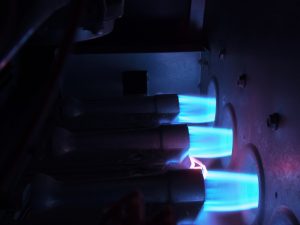
 What type of heating system do you use to warm up your house during a tough Chicagoland winter? If your home is like the majority, the answer is a natural gas furnace. Gas furnaces are the most common type of residential heating system across the country, especially in locations with cold winters. Gas furnaces not only produce a large amount of heat, they do so at less expense than electric furnaces because natural gas costs less than electricity per unit.
However, any natural gas appliance has the potential to develop safety hazards. We don’t want to alarm you, as a well-maintained gas furnace will rarely encounter dangers, and current furnace models are built with safety in mind and have special features to prevent the escape of carbon monoxide or a rise in combustion hazards.
There is one gas furnace problem we want to draw your attention to, because it’s the most common reason for a furnace allowing toxic gasses into a home: the cracked heat exchanger.
 One of the important jobs to have done before fall is over and the serious cold weather starts in is to
 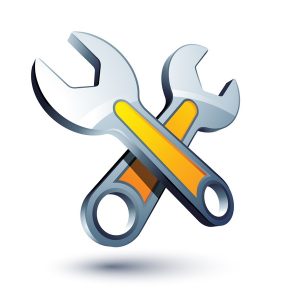 Gas power for homes is widespread, but gas mains can’t reach every residential property. In some cases, homeowners prefer to rely entirely on electricity in their homes because of safety concerns from natural gas. Whatever the situation, a home relying solely on electrical power can still have a furnace to provide comfort during the frigid winters in Chicago.
  Last month we offered tips on
 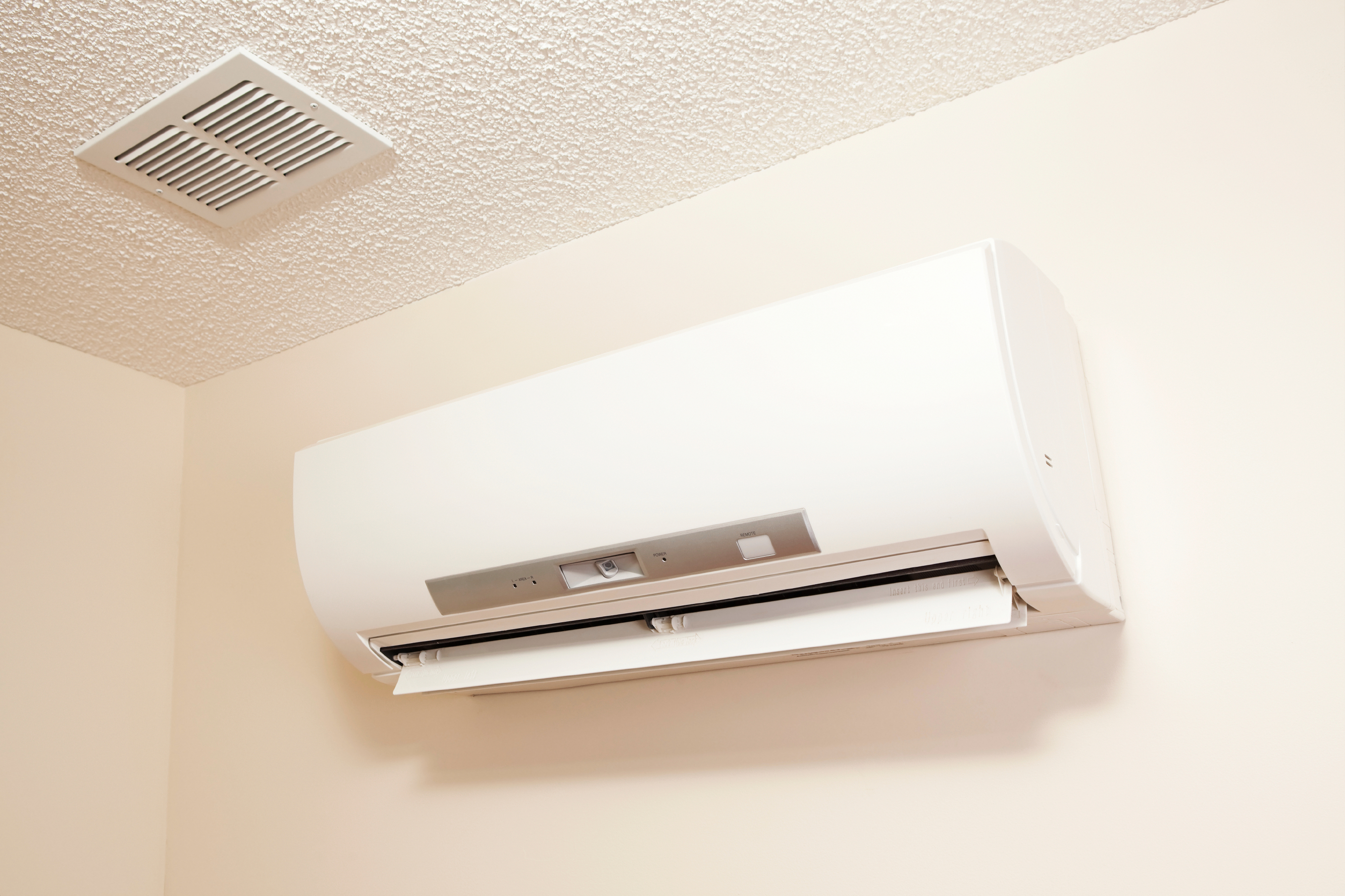 The fall is one of the best times of the year to make major changes to a residential HVAC system. Transitioning between the heat of a Chicago summer into the cold of the winter is a period when you won’t have to rely heavily on either the AC or the heater, so it’s not difficult to arrange for a convenient time to have major repairs done, or to schedule annual maintenance for the heating system.
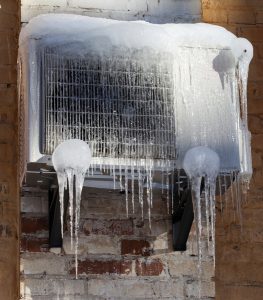 The summer weather is starting to recede: the official end of the season is less than two weeks away. You’re soon going to start making plans for turning on the heating system that will warm your home through later fall and into the winter. A crucial part of those plans includes schedule routine heating maintenance:
  Spring was when you arranged to have your
  The Chicagoland area, in particular many of the northern suburbs, was hit with
  One day in the future, consumers may have access to HVAC systems equipped with powerful artificial intelligence programs capable of diagnosing malfunctions early and altering homeowners to the problem—along with instructions of exactly what’s wrong and how to call a technicians to ask for help.
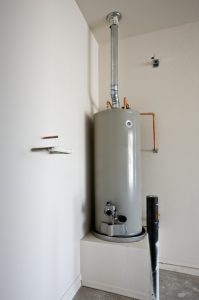 We may be in the height of summer here in Chicagoland, but there’s one heating system in our homes that must always work on a regular basis, day in and day out: the water heater. The water heater accounts for the largest amount of heat energy used in most homes, and that’s because it serves so many functions around the year. You’ll always need hot water for morning showers and to handle doing dishes and cleaning clothes.