


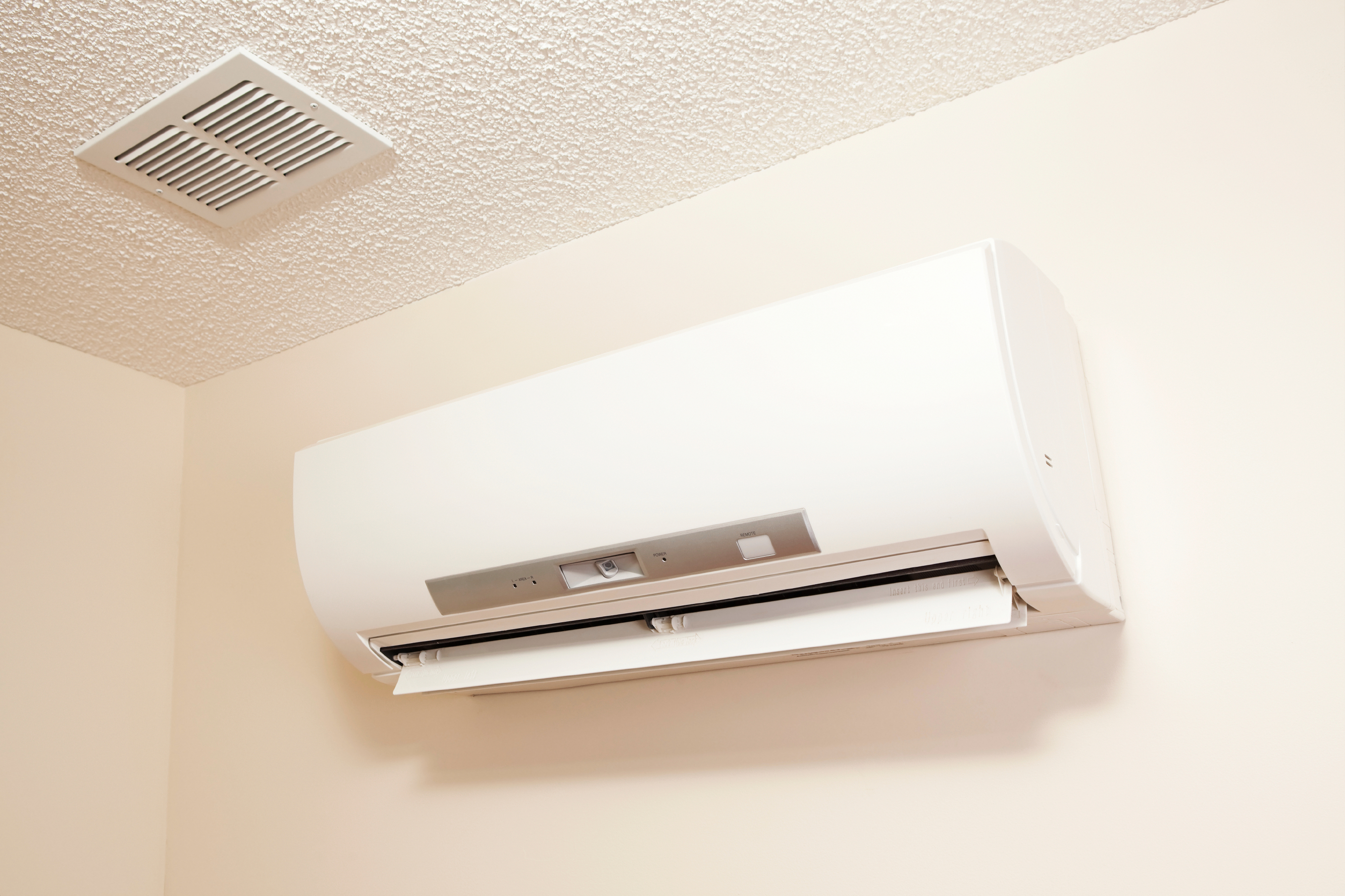
Ductless mini splits are amazing! This is a way for homes without ducts to have air conditioning that doesn’t require window units. It’s also great for homes with severely damaged ductwork. Rather than replace those ducts, you can eliminate them, and the system will be more efficient. Mini splits can also be used with heat pumps, a system that uses reversible refrigerant flow to cool homes in the summer and then also heat them when the weather gets cold!
How well do ductless mini splits work for heating homes? Are they an appropriate choice for our climate? Here’s some information.


 Do you think this was your last summer with your current air conditioner? If your system is getting older or can’t seem to keep up with cooling your home anymore, it is likely that you will need a replacement system sooner than later. If this is the case, it is important to get this
  When it comes to your air conditioning system, the only sounds you really want to hear are going to be the whoosh of air blowing into your home and the hum of the motors and the drip of condensate moisture. Aside from this, additional noises should be treated as what they are: likely signs of trouble in your AC system.
 Each fall we stress to all our customers (and future customers) how important it is to schedule regular maintenance for their heating system—whatever type of heating system they have. There are many benefits of having this done, and one of them is it can help you find out if your heater is no longer up to the task of a Chicago winter. When you have a heating system that’s more than 15 to 20 years old, it’s probably ready to retire. During maintenance, a technician can tell you when it’s best to install a new heater.
 It’s not polite to ask people their age—unless they’re children, in which case they’ll probably tell you their exact age to half a year without you having to bring it up.
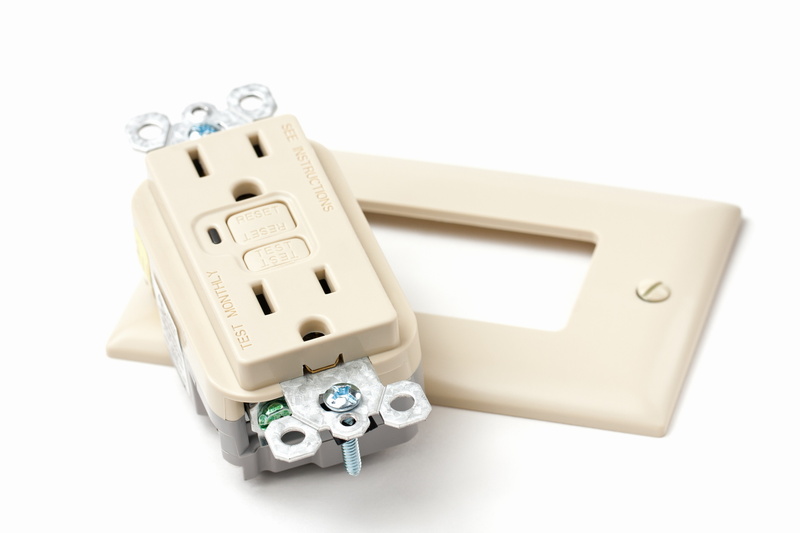 The changes in electrical usage in homes over the last twenty years, even the last ten years, are nothing short of incredible. The average household now consumes more electricity than ever before because of the increase in charging electrical devices and powerful computers and home entertainment systems. Electrical circuitry and panels have to stay current with the rise in consumption, but the outlets have to change as well.