

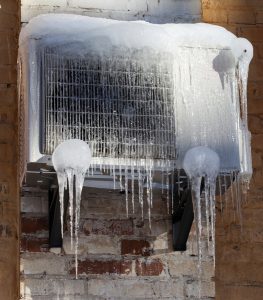
 The summer weather is starting to recede: the official end of the season is less than two weeks away. You’re soon going to start making plans for turning on the heating system that will warm your home through later fall and into the winter. A crucial part of those plans includes schedule routine heating maintenance: sign up for our MAX Comfort Plan and we’ll have your heating taken care of!
But part of fall planning involves the air conditioning system. Simply shutting it off for the season isn’t the best idea. You want the AC in excellent shape for that first day you need it in spring. The way you want your heater to be prepared when the first cold day hits, you also want your AC prepared. There are a few steps you can take at this time of the year to help.
 One day in the future, consumers may have access to HVAC systems equipped with powerful artificial intelligence programs capable of diagnosing malfunctions early and altering homeowners to the problem—along with instructions of exactly what’s wrong and how to call a technicians to ask for help.
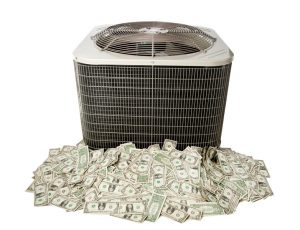 You’ll need to have your home’s air conditioning system running during the summer to stay cool. That’s just a basic part of Chicagoland Survival 101—our summers are hot and humid. Of course, keeping a home cool doesn’t come for free, and you can expect to see a rise in your electricity costs over the summer because of the extra use of the air conditioner.
 As we move into spring, we’re finally going to start enjoying warmer weather. But along with warmer weather comes a spike in the pollen levels. And you know what that means: allergy season! As the cold and wet weather fades, plant blooming leads to an increased pollen count, which is responsible for numerous allergic reactions that can make this season a miserable one. And pollen is only one source for allergies this time of year: mold starts to grow in the wake of the wet weather,
  If you use a furnace