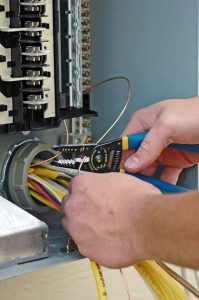
Picture this: You move into a new home and your good friend John Doe—who enjoys learning about residential electrical codes—has pointed out an electrical code violation or two. You shrug it off because it doesn’t seem like that big of a deal to you. The police won’t give you a ticket over faulty wires!
The issue with the tale above is that there is, in fact, a big problem with having an electrical code violation in your home. Why? Because it puts everyone in the home at risk. At a minimum, you will encounter short-circuiting galore; at the worst, your home could burn down.
John Doe’s knowledge of local electrical codes lets him know when he needs to call for electrical repair in Chicago, IL because of a violation. Simply being aware of common violations that happen every day can make a huge difference in keeping you are your loved ones safe.
But what do you need to know? Continue reading to find out.
 Our
Our 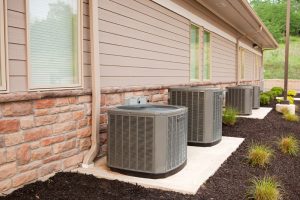 All the components in your home’s AC are important. If one or more isn’t working correctly, it affects system performance.
 One of the most common reasons customers call our HVAC technicians for
  A few weeks ago, we looked at a common problem homes have with central air conditioning:
  The peak heat of the summer season means some pretty tough days when you’re outside. When you’re in your house with your dependable air conditioning system, it’s much different. The AC sends around cool air to the rooms and maintains a pleasantly cool and comfortable environment.
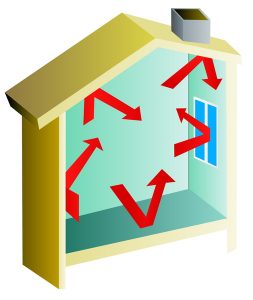 You can have a working air conditioning system sending out cooled air to your house, but that doesn’t mean you’ll have a house that’s cooled evenly throughout. You can expect rooms with more sunlight exposure to feel warmer, for example. However, a well-installed and designed HVAC system should be able to give you a distribution of conditioned air around the house that will maintain comfort levels, no matter how hot it gets outside
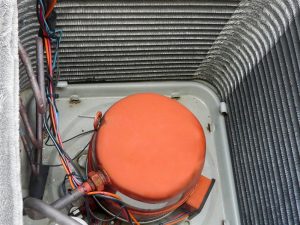 You’ve probably experienced a car that has trouble getting started on a chilly winter day. The engine grinds, but it takes a few times before it turns over. This is an example of “hard starting.” It can happen to any type of machinery that uses motors, no matter if it’s powered by natural gas, petroleum, or electricity.
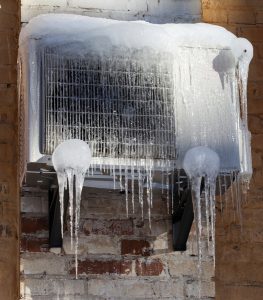 Do you live in a house that uses a boiler for heat and doesn’t have any ductwork to allow for a central air conditioning system? If so, you probably have window AC units around the house to help cool down during the summers.