

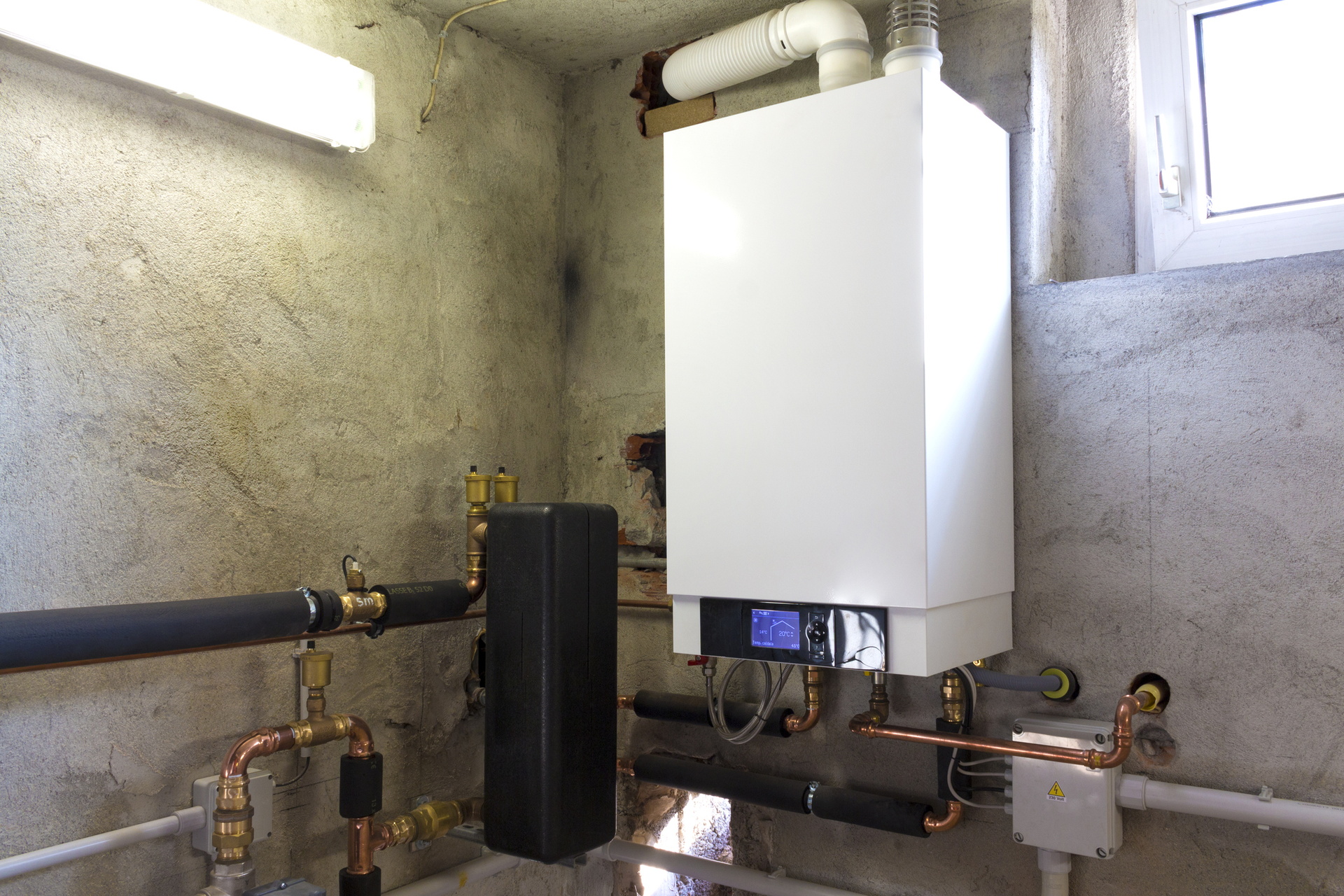
Your boiler is a vital and powerful part of your radiant heating system. Without it, you wouldn’t get any heat in your home unless you got a completely new kind of heating system.
With this in mind, it is important to remember that, powerful though it may be, a boiler won’t last forever. If you’ve had your boiler system for a long time already, you may be starting to ask yourself, “How long does a boiler last?” It is a good question to ask if only so you can plan ahead.
Here’s what you should know about your boiler’s lifespan and how to tell it is ready to be replaced.

 Fall in many states triggers the idea of colorful leaves and light layering for lowering temperatures. For us, frigid temperatures arrived alongside the colorful leaves.
 The boiler is one of the basic central home heating systems, competing with the furnace and the heat pump for the best way to deliver whole-house comfort. We have extensive experience working with
 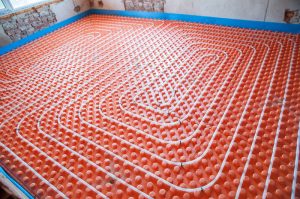 We provide many heating services to our customers in the Chicagoland area, from handling furnace repairs to installing ductless mini split heat pumps. One service that continues to grow in popularity is fitting out homes with radiant heating systems that use in-floor tubing to provide heat. Radiant heating systems are becoming top choices for new home construction and even more retrofits.
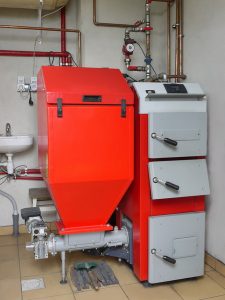 We all have been there: do I buy a new car, or do I spend the money to fix the one I own? Do I buy the latest cellphone, or do I get the broken screen fixed on mine? Well, you should be asking yourself these questions when it comes to your boiler, too.
  A home heater that breaks down in winter for the last time is bad news. You want to have an old heating system replaced ahead of time to conform to your schedule, not the heater’s! So if your furnace, boiler, heat pump, or other system is already looking like it won’t make it through to spring, we recommend you start considering what type of heater should be installed to replace it.
 The two most common types of heating systems found in homes are