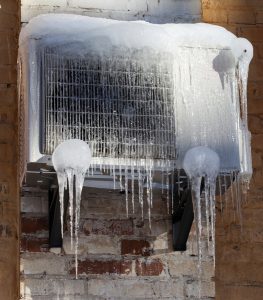
 The summer weather is starting to recede: the official end of the season is less than two weeks away. You’re soon going to start making plans for turning on the heating system that will warm your home through later fall and into the winter. A crucial part of those plans includes schedule routine heating maintenance: sign up for our MAX Comfort Plan and we’ll have your heating taken care of!
But part of fall planning involves the air conditioning system. Simply shutting it off for the season isn’t the best idea. You want the AC in excellent shape for that first day you need it in spring. The way you want your heater to be prepared when the first cold day hits, you also want your AC prepared. There are a few steps you can take at this time of the year to help.
 Spring was when you arranged to have your
 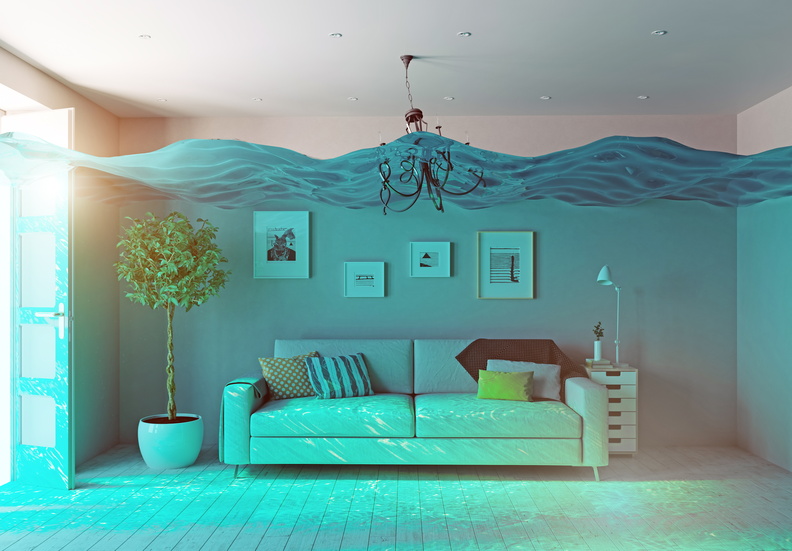 The Chicagoland area, in particular many of the northern suburbs, was hit with
  One day in the future, consumers may have access to HVAC systems equipped with powerful artificial intelligence programs capable of diagnosing malfunctions early and altering homeowners to the problem—along with instructions of exactly what’s wrong and how to call a technicians to ask for help.
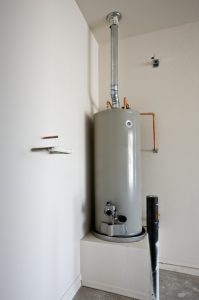 We may be in the height of summer here in Chicagoland, but there’s one heating system in our homes that must always work on a regular basis, day in and day out: the water heater. The water heater accounts for the largest amount of heat energy used in most homes, and that’s because it serves so many functions around the year. You’ll always need hot water for morning showers and to handle doing dishes and cleaning clothes.
 At Malek Heating & Cooling, we understand that helping people find ideal comfort in their homes means more than ensuring they have an air conditioning and heating system that will provide the right temperatures around the year. It also means finding the correct balance of relative humidity, keeping the air from becoming too muggy or too dry. That’s why we install both
  If you have some knowledge of how the modern air conditioner works, you may know it’s a refrigerant-based system, working in a similar fashion to a refrigerator. To providing cooling, both systems use chemical refrigerant to absorb heat from inside and move the heat to the outside air. This is why the condenser unit outside your house blows out heated air when the AC is working.
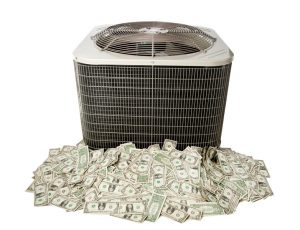 You’ll need to have your home’s air conditioning system running during the summer to stay cool. That’s just a basic part of Chicagoland Survival 101—our summers are hot and humid. Of course, keeping a home cool doesn’t come for free, and you can expect to see a rise in your electricity costs over the summer because of the extra use of the air conditioner.
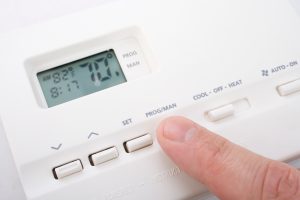 When we’re looking into ways to help you save money on your