

 Each fall we stress to all our customers (and future customers) how important it is to schedule regular maintenance for their heating system—whatever type of heating system they have. There are many benefits of having this done, and one of them is it can help you find out if your heater is no longer up to the task of a Chicago winter. When you have a heating system that’s more than 15 to 20 years old, it’s probably ready to retire. During maintenance, a technician can tell you when it’s best to install a new heater.
You have a range of choices for central heating, and you may wish to consider changing to a new type or staying with what you already use. Below are a few of the systems available to warm your home. We hope this helps you start thinking about the replacement system you want.
 There’s always a special feeling in the air when October arrives. No matter if the weather is still occasionally warm, the crisp fall is arriving—and around the corner is the cold of winter. October means Halloween to many. To HVAC professionals, it means it’s time for heating maintenance. Have you signed up for your fall
  Fall is here: time for homeowners to evaluate their readiness for cold weather. For many, this means replacing an old gas furnace.
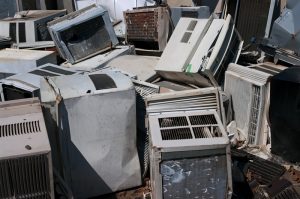 It’s not polite to ask people their age—unless they’re children, in which case they’ll probably tell you their exact age to half a year without you having to bring it up.
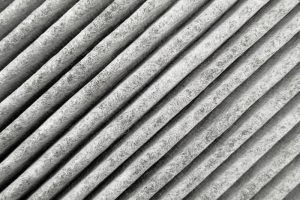 If you’re looking for a great air filter, you need to know the term MERV. MERV is an acronym coined by the American Society of Heating, Refrigeration and Air Conditioner Engineers (ASHRAE) meaning Minimum Efficiency Reporting Value. MERV is a scale used to measure the efficiency of an air filter. Air filters are rated from 1-16. MERV might be a new term to you, but it’s routine to our knowledgeable technicians trained to get you the best
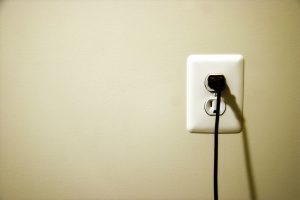 Outlets have changed significantly over the decades. Once, homes only had two-pronged outlets. Later, three-pronged grounded outlets became the standard. Now GFCI and AFCI outlets help homes to maintain greater safety with even more powerful electrical loads.
 When your air conditioning system is running during a humid summer day—and we get plenty of those in Chicagoland—you’ll occasionally hear a dripping sound coming from the unit. This isn’t because the AC uses water to help cool down the house. The only type of cooling system that does that is an evaporative cooler. What you’re hearing is the water moisture the air conditioner has drawn out of the air with the evaporator coil dripping down into a condensate pan and then being drained outside through a condensate drain line. This collection of moisture is a natural result of the evaporator coil absorbing heat from inside the house to cool the air.
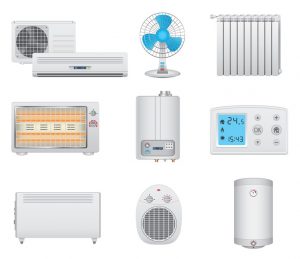 The air conditioning system is just a way of life. Homes are now constructed with central air conditioning in mind, and even vintage buildings can enjoy powerful air conditioning without using window units thanks to ductless mini splits.
 An overheating air conditioner is a tragic story. Your AC has only one goal: to make you feel cool and happy. Your AC will stop at nothing to achieve this, even if it means burning itself out in the process.